
Pain and stress in the neonates
- Introduction...
- 1. Learning object...
- 2. Behavioural res...
- 3. Facial expressi...
- 4. Body movements...
- 5. Physiological r...
- 6. Autonomic chang...
- 7. Painful procedu...
- 8. Painful procedu...
- 9. Other condition...
- 10. Premature Infa...
 |
 |
Introduction
DR. S. MANGALA BHARATHI
MD, DM (Neonatology)
Associate Professor
Institute of Child Health and Hospital for Children
Madras Medical College, Chennai
1. Learning objectives
â–º Recognizing pain
♦ Behavioural changes
♦ Physiological changes
♦ Autonomic changes
â–º Procedures and pain
â–º Scales for pain evaluation
2. Behavioural responses
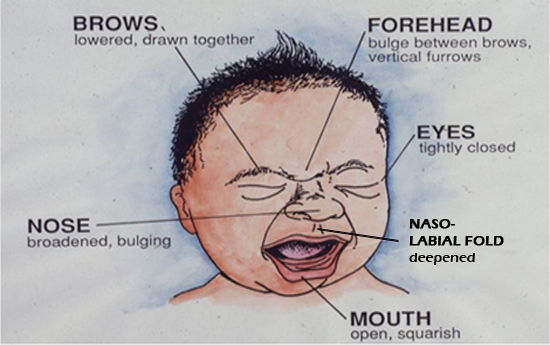
â–º Facial expressions
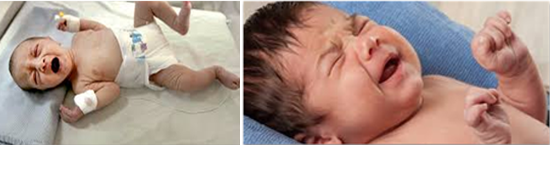
â–º Crying
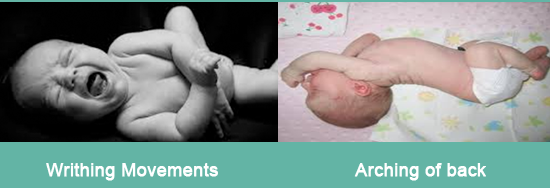
â–º Body movements
â–º State changes
3. Facial expressions
4. Body movements
5. Physiological responses
â–º Changes in
♦ Heart rate
♦ Blood pressure
♦ Respiratory rate
♦ Saturation
6. Autonomic changes
â–º Mydriasis
â–º Sweating
â–º Pallor
â–º Flushing
7. Painful procedures: Mild pain
â–º Physical Examination
â–º Heel Prick
â–º Venepuncture
â–º Arterial puncture
â–º Intramuscular/ subcutaneous injection
â–º Feeding tube insertion
â–º Umbilical cannulation
â–º Adhesive tape removal
8. Painful procedures: Moderate pain
â–º Lumbar puncture
â–º Intubation
â–º ET suction
â–º ICD drain
â–º Ventricular tap
â–º ROP examination
â–º Central line (insertion or removal)
â–º Chest physiotherapy
â–º Dressing change
â–º Suprapubic puncture
9. Other conditions
â–º Surgical procedures
â–º NEC
â–º Mechanical ventilation
â–º Meningitis
â–º Bone and joint infections
10. Premature Infant Pain Profile (PIPP) scale
â–º Facial actions
â–º Heart rate changes
â–º Saturation changes
â–º State
â–º Gestational age