
Hypothermia in preterm infants
- Introduction...
- 1. Learning object...
- 2. Effect of hypot...
- 3. Effect of low a...
- 4. Admission tempe...
- 5. Effect on incid...
- 6. Thermoneutral z...
- 7. Mechanisms of h...
- 8. Heat loss by co...
- 9. Heat loss by co...
- 10. Heat loss by c...
- 11. Heat loss by r...
- 12. Heat loss by e...
- 13. Risk factors...
- 14. Brown fat...
- 15. Body surface a...
- 16. Skin changes...
- 17. Preterm prone ...
- 18. Key messages...
 |
 |
Introduction
DR. TEJO PRATAP OLETI
MD, DM (Neonatology)
Consultant
Department of Neonatology
Fernandez Hospital
Hyderabad
1. Learning objectives
â–º Effect of hypothermia on mortality and morbidities
â–º Thermal well being in preterm infants
2. Effect of hypothermia
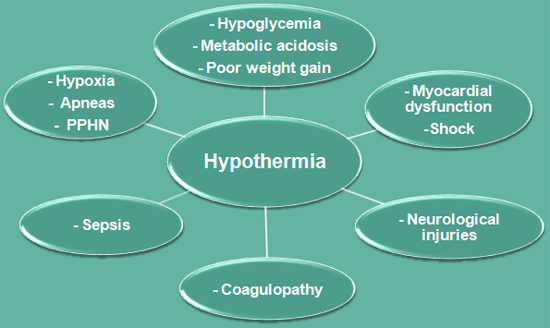
3. Effect of low admission temperatures
â–º For each drop in 1°C
♦ Mortality – increases by 28%
♦ Late onset sepsis – 11%
* Laptook et al. Pediatrics; 2007
4. Admission temperatures – mortality/ morbidities
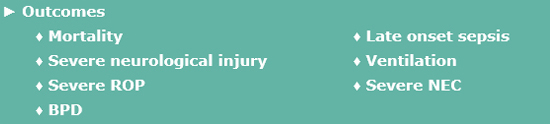
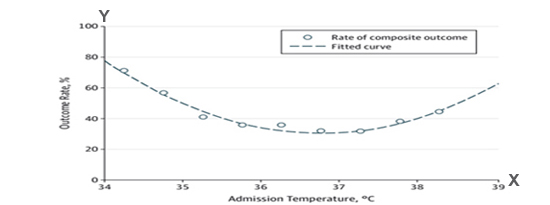
* Lyu et al. JAMAP Pediatrics 2015
5. Effect on incidence of mortality and morbidity
â–º Interventions to prevent hypothermia will lead to decrease
in mortality and morbidities by 18% – 42%
* UNICEF. Progress for children: a world fit for children
statistical review. New York, NY: United
Nations Children`s Fund; 2007
6. Thermoneutral zone (TNZ)
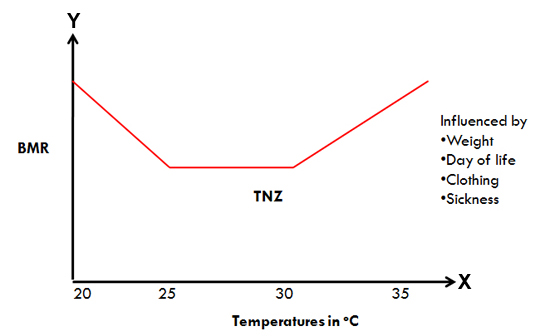
7. Mechanisms of heat transfer
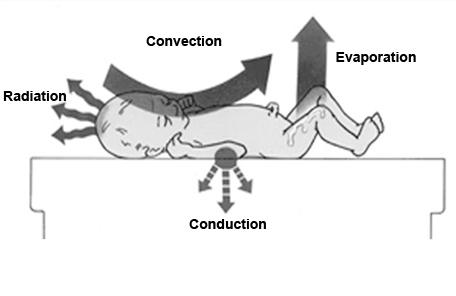
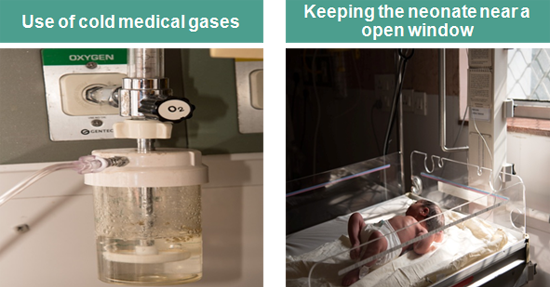
8. Heat loss by convection
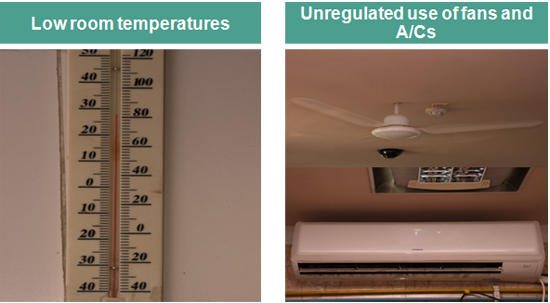
9. Heat loss by convection
10. Heat loss by conduction
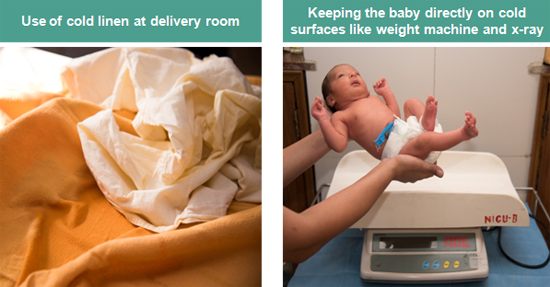
11. Heat loss by radiation
â–º Nursing the neonate near a cold wall
â–º Inadequate clothing
â–º Too many cold objects in the room
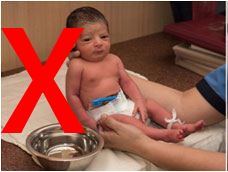
12. Heat loss by evaporation
â–º Delayed drying at birth
â–º Prolonged contact with wet linen
â–º Frequent bathing
â–º Wet diapers
13. Risk factors
Why preterm are at higher risk?
â–º Lesser brown fat tissue
â–º Larger surface area per unit kg weight
â–º Skin immaturity
â–º High transepidermal water loss
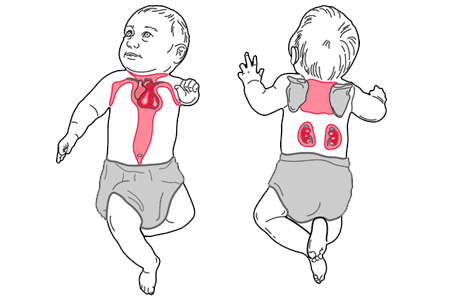
14. Brown fat
â–º Contributes to 4-10% of fat tissue
â–º Main source of non-shivering thermogenesis
â–º Not detectable before 26-30 weeks of gestation
15. Body surface area
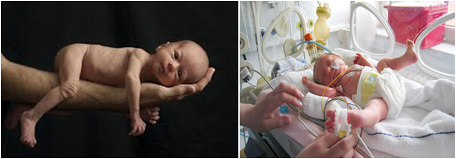
â–º 7 times more per unit (kg) weight compared to adults
extended posture will expose more body surface area
16. Skin changes
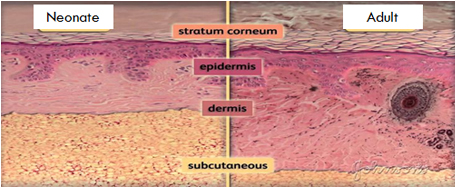
â–º 20 to 30% thinner than the adult skin
â–º More thinner epidermis
â–º Less hydrated and has reduced natural moisturization
factors
â–º Increased insensible loss of water
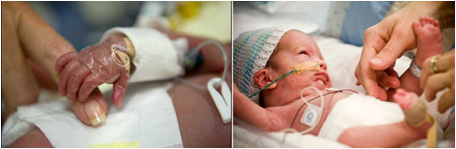
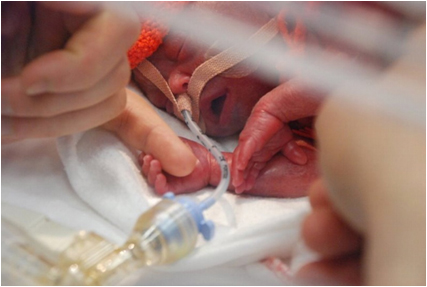
17. Preterm prone for injuries
â–º Increased insensible loss of water
18. Key messages
â–º Hypothermia: increased mortality and major morbidities
â–º Ideal environmental temperature is based on
♦ Weight
♦ Day of life
♦ Clothing
♦ Sickness
â–º Thin stratum corneum, increased IWL, larger body
surface area and lesser brown fat: risk factors